



There are a few common misconceptions about fertilized eggs that I hope to clear up in this article, but first, it is important to understand the differences between fertilized and unfertilized eggs as well as incubated and un-incubated fertilized eggs. 
UNFERTILIZED EGGS
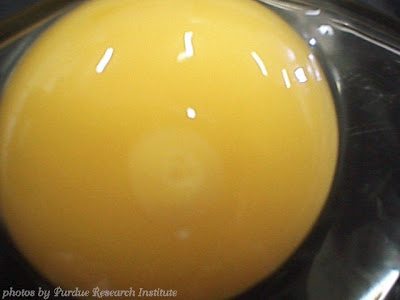
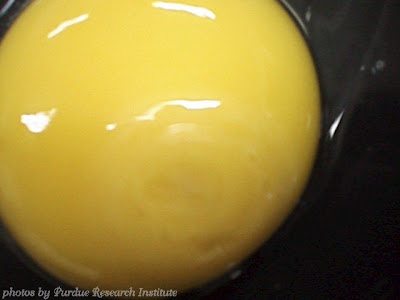
A hen must mate with a rooster in order for her egg to contain both the male and female genetic material necessary to create an embryo inside the egg. An unfertilized egg contains only the hen’s genetic material, which means a chick can never hatch from that egg. The hen’s genetic material, termed the blastodisc, can be identified on an egg yolk as a light-colored dot with irregular borders. Every egg contains a blastodisc.

FERTILIZED EGGS
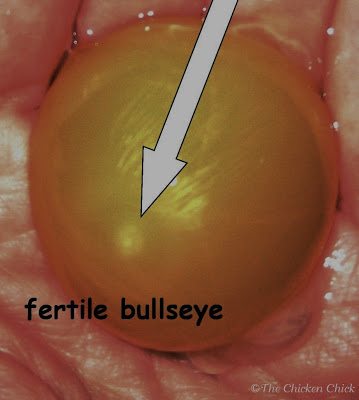
When an egg is fertilized by a rooster, the blastodisc becomes known as the blastoderm, which is the first stage of embryonic development. The blastoderm is identified by its bullseye appearance, having regular, concentric circles. The blastoderm will remain in a state of suspended animation, so to speak, forever unless warmed at particular temperatures for several hours. When a fertile egg is incubated under precise, steady temperatures and humidity levels for 21 days, the blastoderm may develop into a chick.


INCUBATED FERTILIZED EGG
A fertilized egg must be kept at a temperature of at least 85°F for several hours in order for the blastoderm to begin developing into an embryo.


UN-INCUBATED FERTILIZED EGG
A fertilized egg that is never incubated will never contain an embryo and will never look like anything other than common breakfast food.

MYTHS & FACTS ABOUT FERTILIZED EGGS
MYTH: A fertilized egg has a baby chick in it.
FACT: Freshly laid eggs can never contain a chick. Only fertilized eggs that have been incubated under proper conditions can become an embryo and develop into a chick. To see exactly how an embryo develops, from the inside and out, each of the 21 days until it hatches, click here.


MYTH: Fertilized eggs are more nutritious than unfertilized eggs.
FACT: There is no scientific evidence that fertilized eggs are nutritionally superior to unfertilized ones. Fertilized eggs have remnants of the male’s sperm and a small layer of cells that could form the embryo. The proportion of these to the total egg is so small that it is impossible to detect chemical differences between fertile and infertile eggs.1
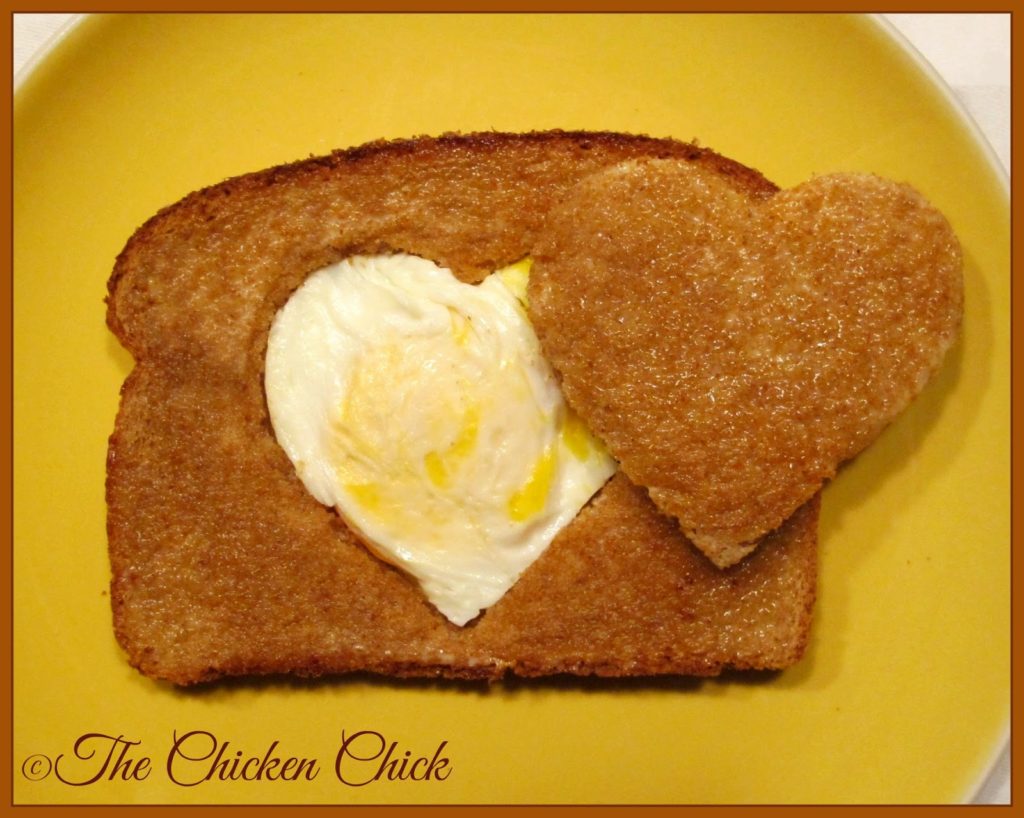
MYTH: Fertilized eggs taste different from infertile eggs.
FACT: There is absolutely no flavor difference between fertilized and unfertilized eggs.
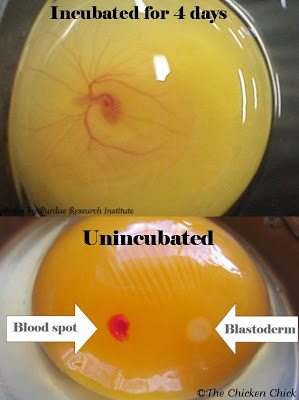
MYTH: A blood spot inside the egg means the egg is fertilized.
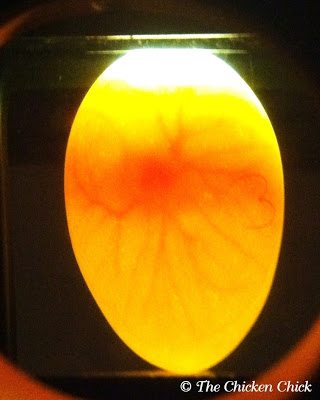
FACT: A blood spot inside an egg can occur at various points in a hen’s reproductive system as a result of a blood vessel rupturing. It can be the result of a genetic predisposition, a vitamin A deficiency, or a random event. There is no correlation between blood spots and fertilized eggs. The misconception may have come about due to the appearance of incubated, fertilized eggs developing veins at or around day four into incubation. Veining looks nothing like a blood spot, however.
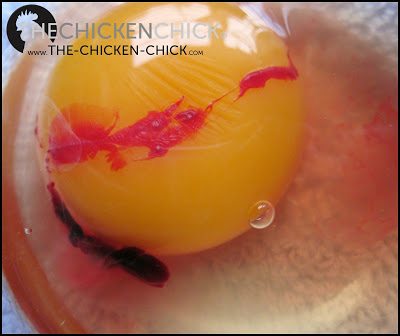
The blood in the following photo of an unincubated egg is NOT a developing embryo. The blood has nothing to do with the egg being fertilized or not fertilized, it was caused by a glitch that occurred while the yolk was being released from the hen’s ovary and would have occurred whether or not a rooster mated with the hen that laid this egg.
Looking for Walmart coupons? Save big on your next Walmart shopping trip with The Chicken Chick’s exclusive coupon codes and promotions. Don’t miss out and start saving today!
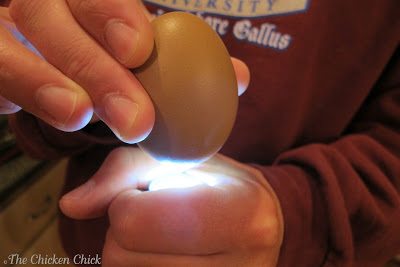
MYTH: Candling an egg will reveal whether the egg is fertilized or not. (Candling is the term used for shining a light through an eggshell to see what’s inside.)
FACT: Only eggs that are incubated and begin developing can be identified as fertilized after a minimum of 3 days. Neither the blastoderm nor a blastodisc can be seen through the shell. It is possible for an incubated egg to be fertilized and appear unfertilized when candled if the egg failed to develop. The only way to determine whether an unincubated egg is fertilized is to crack it open and identify the blastodisc or blastoderm.
Sources & further reading

Kathy Shea Mormino
Affectionately known internationally as The Chicken Chick®, Kathy Shea Mormino shares a fun-loving, informative style to raising backyard chickens. …Read on




shop my SPONSORS












There are a few common misconceptions about fertilized eggs that I hope to clear up in this article, but first, it is important to understand the differences between fertilized and unfertilized eggs as well as incubated and un-incubated fertilized eggs.
UNFERTILIZED EGGS
A hen must mate with a rooster in order for her egg to contain both the male and female genetic material necessary to create an embryo inside the egg. An unfertilized egg contains only the hen’s genetic material, which means a chick can never hatch from that egg. The hen’s genetic material, termed the blastodisc, can be identified on an egg yolk as a light-colored dot with irregular borders. Every egg contains a blastodisc.
FERTILIZED EGGS
When an egg is fertilized by a rooster, the blastodisc becomes known as the blastoderm, which is the first stage of embryonic development. The blastoderm is identified by its bullseye appearance, having regular, concentric circles. The blastoderm will remain in a state of suspended animation, so to speak, forever unless warmed at particular temperatures for several hours. When a fertile egg is incubated under precise, steady temperatures and humidity levels for 21 days, the blastoderm may develop into a chick.
INCUBATED FERTILIZED EGG
A fertilized egg must be kept at a temperature of at least 85°F for several hours in order for the blastoderm to begin developing into an embryo.
UN-INCUBATED FERTILIZED EGG
A fertilized egg that is never incubated will never contain an embryo and will never look like anything other than common breakfast food.
MYTHS & FACTS ABOUT FERTILIZED EGGS
MYTH: A fertilized egg has a baby chick in it.
FACT: Freshly laid eggs can never contain a chick. Only fertilized eggs that have been incubated under proper conditions can become an embryo and develop into a chick. To see exactly how an embryo develops, from the inside and out, each of the 21 days until it hatches, click here.
MYTH: Fertilized eggs are more nutritious than unfertilized eggs.
FACT: There is no scientific evidence that fertilized eggs are nutritionally superior to unfertilized ones. Fertilized eggs have remnants of the male’s sperm and a small layer of cells that could form the embryo. The proportion of these to the total egg is so small that it is impossible to detect chemical differences between fertile and infertile eggs.1
MYTH: Fertilized eggs taste different from infertile eggs.
FACT: There is absolutely no flavor difference between fertilized and unfertilized eggs.
MYTH: A blood spot inside the egg means the egg is fertilized.
FACT: A blood spot inside an egg can occur at various points in a hen’s reproductive system as a result of a blood vessel rupturing. It can be the result of a genetic predisposition, a vitamin A deficiency, or a random event. There is no correlation between blood spots and fertilized eggs. The misconception may have come about due to the appearance of incubated, fertilized eggs developing veins at or around day four into incubation. Veining looks nothing like a blood spot, however.
The blood in the following photo of an unincubated egg is NOT a developing embryo. The blood has nothing to do with the egg being fertilized or not fertilized, it was caused by a glitch that occurred while the yolk was being released from the hen’s ovary and would have occurred whether or not a rooster mated with the hen that laid this egg.
Looking for Walmart coupons? Save big on your next Walmart shopping trip with The Chicken Chick’s exclusive coupon codes and promotions. Don’t miss out and start saving today!
MYTH: Candling an egg will reveal whether the egg is fertilized or not. (Candling is the term used for shining a light through an eggshell to see what’s inside.)
FACT: Only eggs that are incubated and begin developing can be identified as fertilized after a minimum of 3 days. Neither the blastoderm nor a blastodisc can be seen through the shell. It is possible for an incubated egg to be fertilized and appear unfertilized when candled if the egg failed to develop. The only way to determine whether an unincubated egg is fertilized is to crack it open and identify the blastodisc or blastoderm.
Sources & further reading












Amazing
Hi, Kathy. I would like to clarify something as there may be a typo in this article. See the word I underlined in red? I believe you meant to say blastoDERM here since you defined a blastoderm as the spot in an egg which contains both the male and female genetic material.
Thank you for catching that, Hollie. I corrected the typo. I appreciate your close reading!
You’re welcome! I appreciate this site very much. Love the videos on FB too. :)
Thank you for this article! I’ve raised chickens ever since I was a teenager and this article just answered the questions I wanted to know. I want some chicks from a new rooster so I read waiting 3 weeks for the old roosters sperm to go away. Very informative! Thanks
I bought fresh eggs from a farm yesterday, mind you I have not had farm fresh eggs before. I noticed when making eggs this morning the shell was harder to crack then store eggs. Why is this? Also why do some eggs has a white stringy thing attached to the yoke? Store eggs have a white dot on the yoke, why is this. I’m sorry for all the question but I was told your the one to go to. Thank you
Sounds like you got a good, fresh egg from a well fed chicken! Hard eggshells are a sign of a hen that has a satisfactory amount of calcium in its body.
Every egg has those “stringy things,” which are called chalaza, tether the yolk to the center of the egg so that if the egg were to be hatched by a hen, the developing embryo wouldn’t stick to the side of the eggshell.
You can read more about egg issues here: https://the-chicken-chick.com/how-hen-makes-egg-egg-oddities/